
Instruments: The Cimbasso
(under construction)
 |
|
 |
|
 |
|
 |
|
 |
|
 |
|
 |
|
 |
|
 |
|
 |
|
 |
|
 |
|
 |
|
 |
|
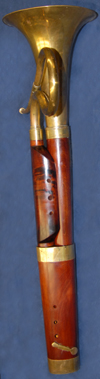
No early low brass instrument provides more entertainment than this instrument. The cimbasso, a horn meant to blend and support, unfortunately, seems to expose--to display misinformation that many hold as fact and to confirm the “flexible” conceptions one must maintain when attempting to understand early 19th century brass instruments.
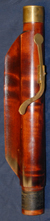
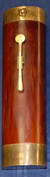
The cimbasso originates in Italy circa 1815 and was reported to have been seen at La Scala by 1816. This bass horn consists of four sections with a butt and wing joint similar to the reed bassoon, either a coiled or swan-shaped bocal, and six fingerholes, no thumbhole, and 3-4 keys. The stock is much more substantial than the serpent a pavillon (providing for a very substantial lower register) and, in contrast to the basson russe, the cimbasso includes a widely-flared, metal bell.

Proposed “Facts” for future comments about the cimbasso:
The wooden instrument known as the cimbasso (a member of the upright serpent, bass horn family) is referred to as the early cimbasso.
The metal instrument, commonly known as the cimbasso to most modern brass players, is referred to as the valved cimbasso.
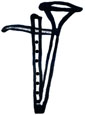

Clifford Bevan with
the early cimbasso
Let it be known, these are two different instruments

Roger Bobo with
the valved cimbasso
Image File
high-density photographs of the cimbasso, for free use
Cimbasso Bibliography: [in progress]
Clifford Bevan,“The Great Cimbasso Mystery,” in The Tuba Family, 1st edition. (London: Faber and Faber, 1978), 212-215.
Clifford Bevan,“Any More for the Cimbasso?,”TUBA Journal 23:2 (Winter 1996), 50-53.
Clifford Bevan,“Cimbasso Research and Performance Practice: An update,” in Perspectives in Brass Scholarship edited by Stewart Carter (Stuyvesant , N.Y.: Pendragon Press, 1997).
Clifford Bevan, "The Low Brass," in The Cambridge Companion to Brass Instruments, edited by Trevor Herbert & John Wallace, Eds (Cambridge: Cambridge University Press, 1997) 143-156.
Clifford Bevan, The Tuba Family, 2nd edition. (Winchester, UK: Piccolo Press, 2000).
Ralph Leavis, “More Light on the Cimbasso,”The Galpin Society Journal 34 ( March 1981), 151-152.
Renato Meucci, “The Cimbasso and Related Instruments in 19th-Century Italy,” translated by William Waterhouse, The Galpin Society Journal 49 (March 1996), 143-179.
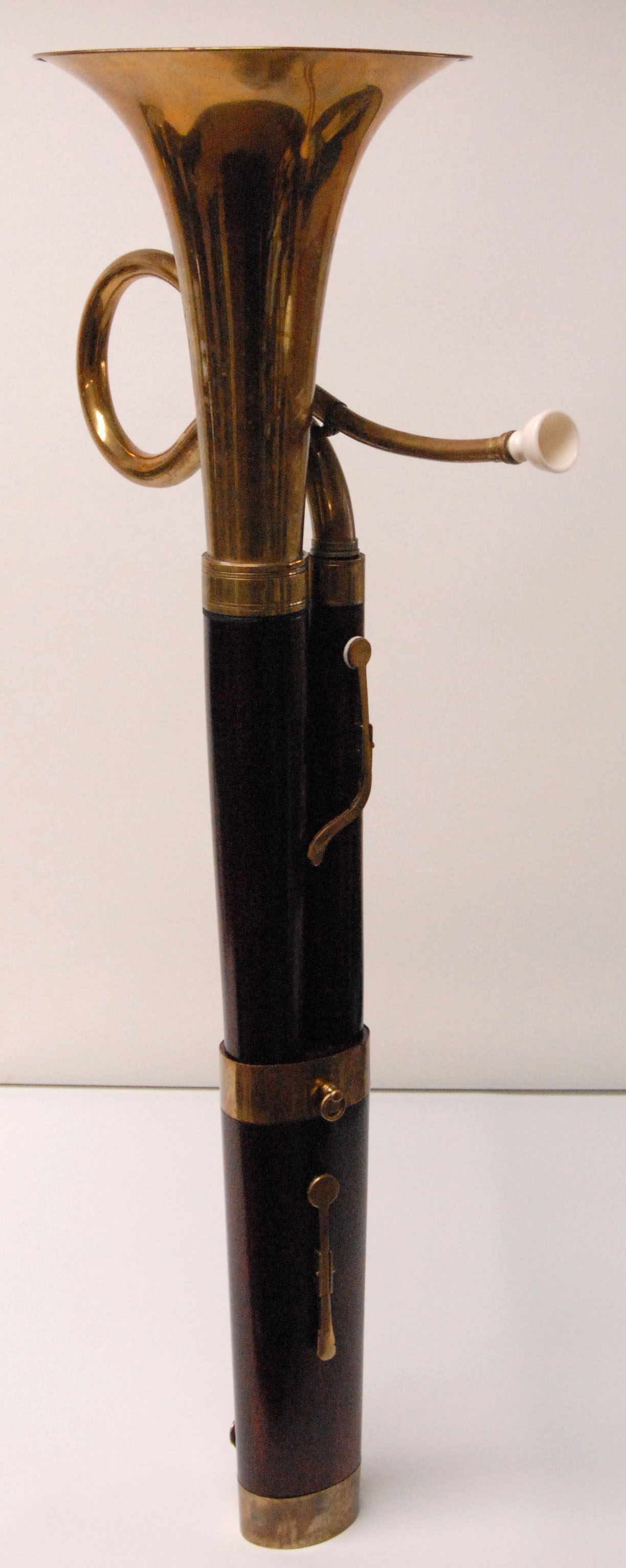
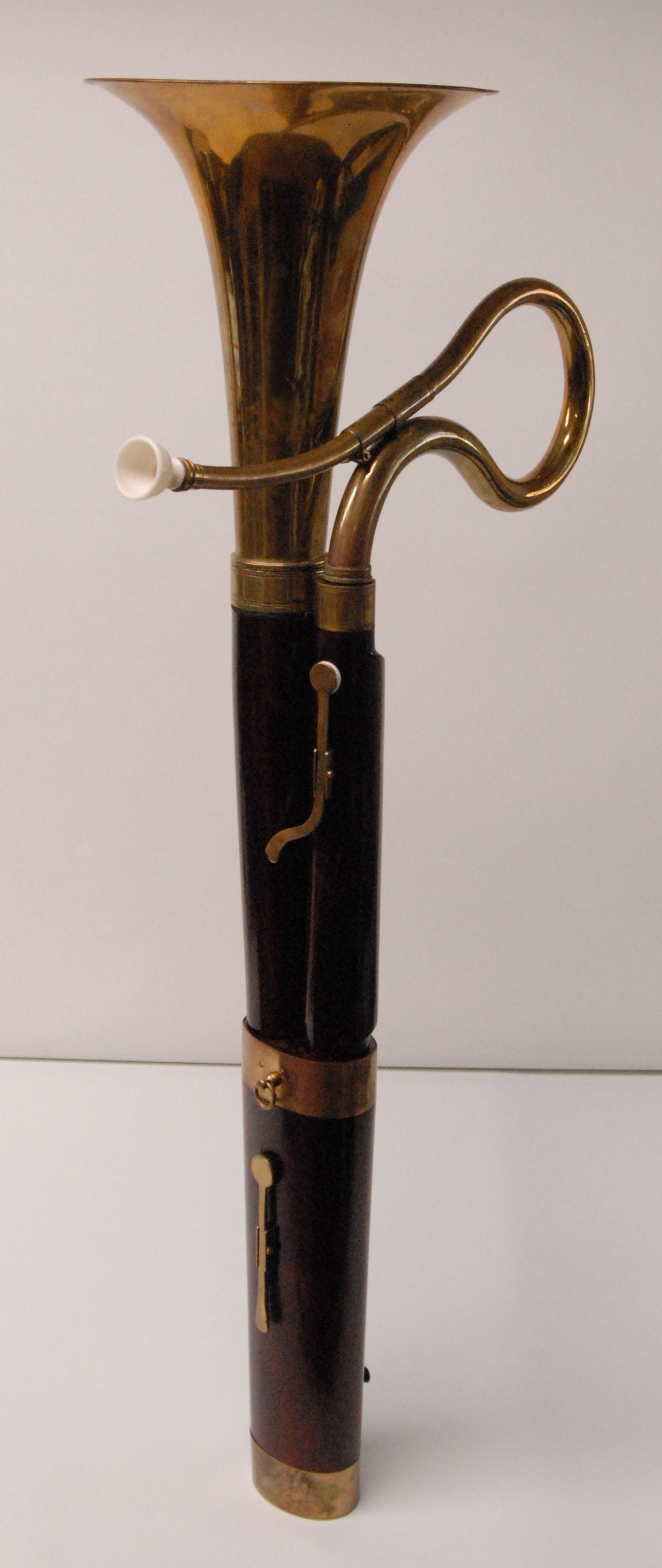
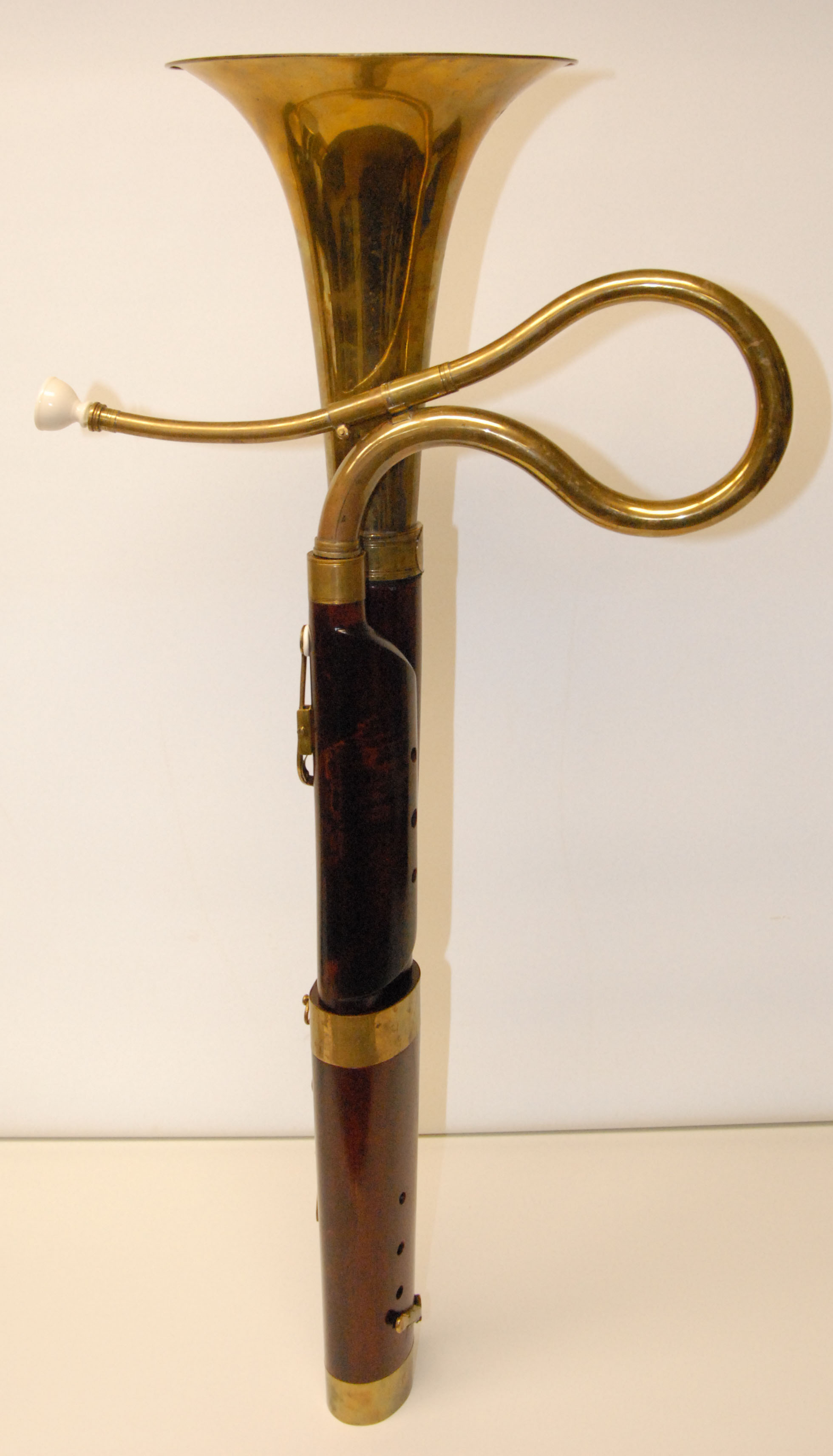
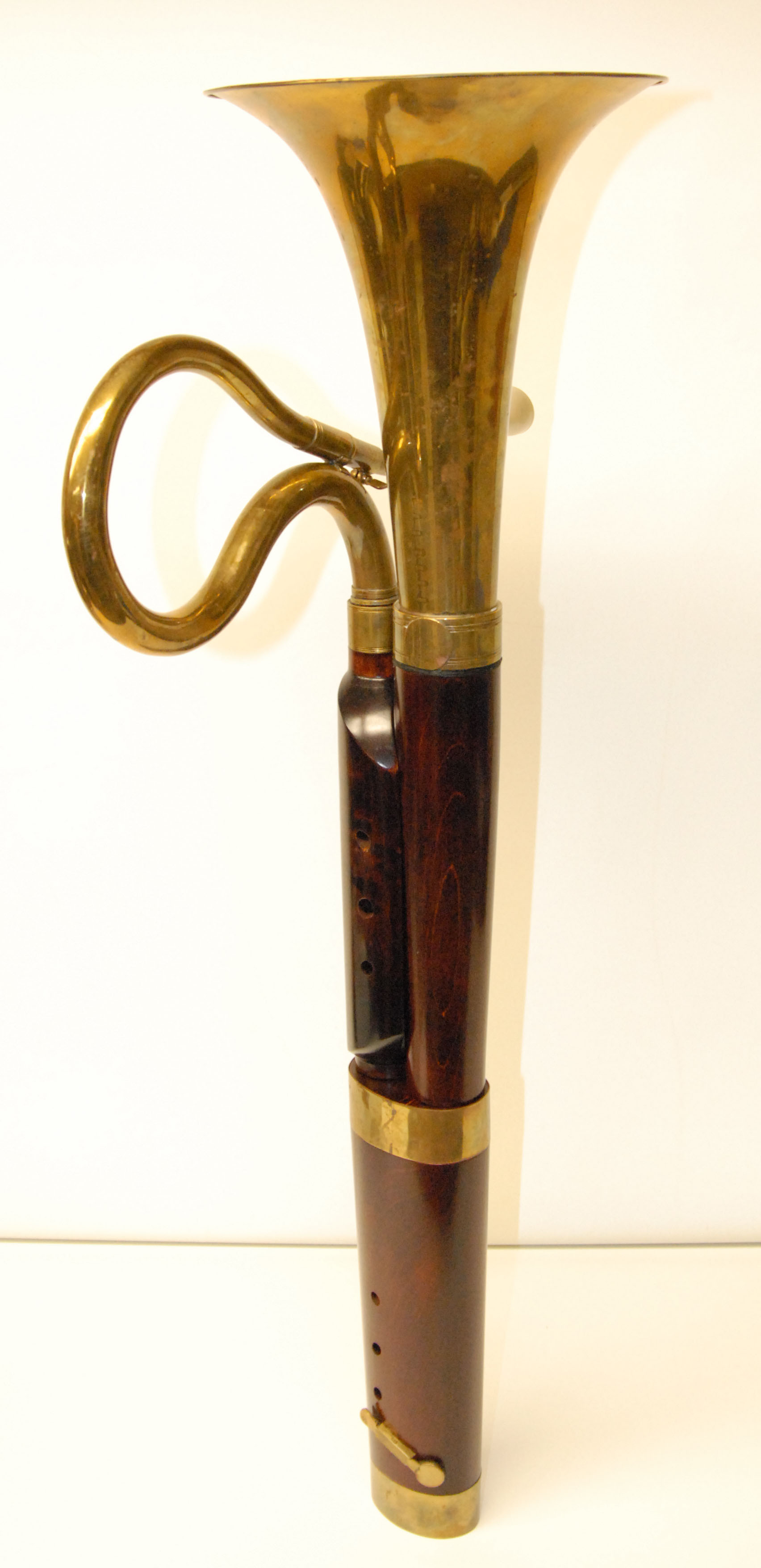
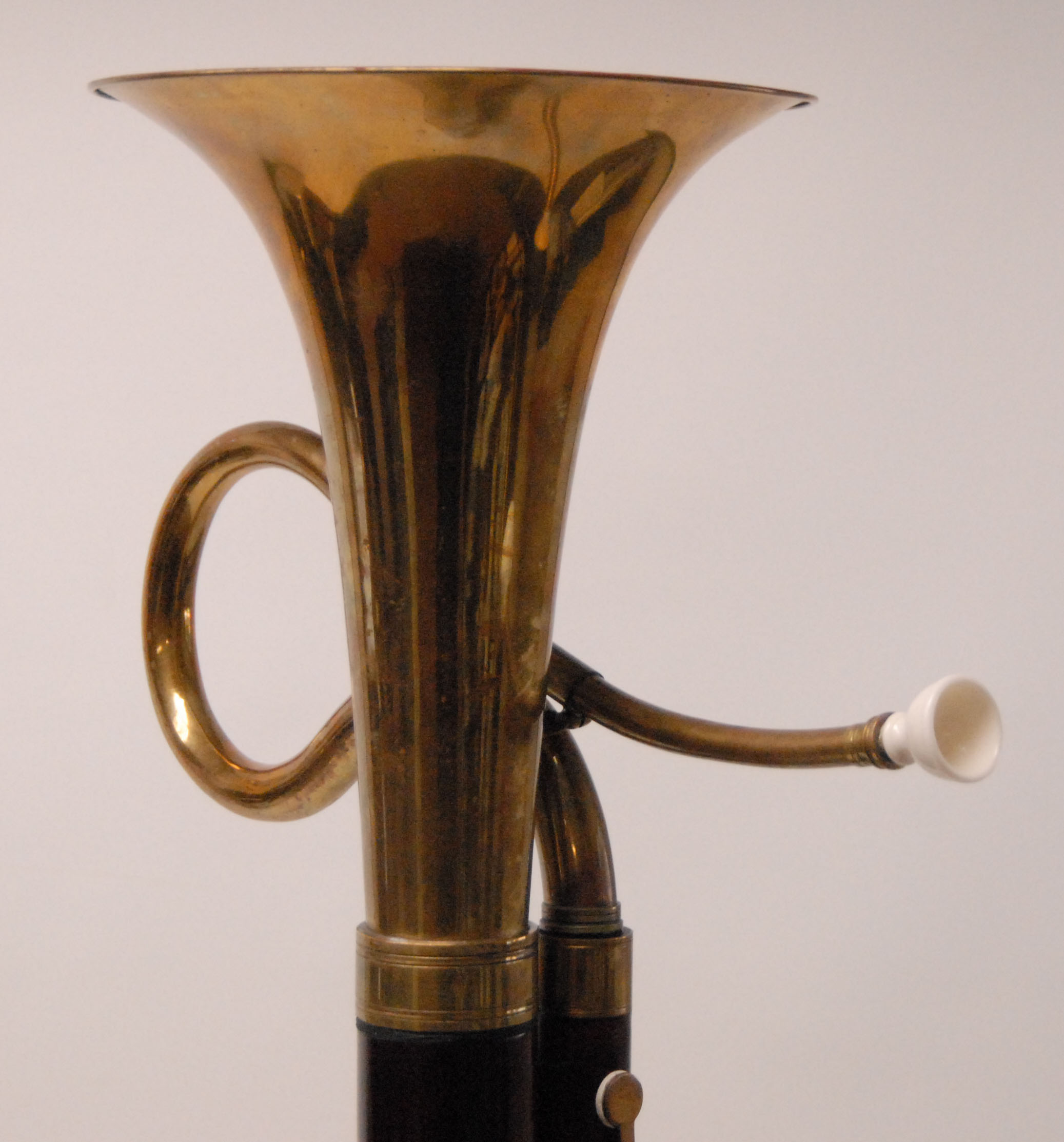
Please include the following photo credit in any public presentation:
© Craig Kridel,
Berlioz Historical Brass

early 19th century brass
Home
: About : Music & Recordings : Performances : Players
: Repertoire : Instruments : Contact
Piccolo Press : ITEA Historical
Instrument Section : The Tigers Shout Band
: Harmoniemusik: Links